Dr Aaron Poh is a fully accredited General Surgery specialist with double subspecialties in Colorectal surgery and Trauma surgery. He is currently the Medical Director at Alpine Surgical Practice.

Dr Aaron Poh is a fully accredited General Surgery specialist with double subspecialties in Colorectal surgery and Trauma surgery. He is currently the Medical Director at Alpine Surgical Practice.


Colorectal cancer is the most common cancer in Singapore. However, survival rates are over 80% if detected early.
Symptoms of colorectal diseases/conditions can cause more serious health complications if left untreated. If you are experiencing them, consult a medical professional immediately.


These symptoms can mimic signs of colon cancer. Even so, more than 50% of colon cancer cases present no symptoms.
Seek medical attention immediately if you experience serious symptoms.
Symptoms of colorectal diseases/conditions can cause more serious health complications if left untreated.
The following symptoms are usually signs of colon cancer. If you are experiencing them, consult a medical professional immediately.


These symptoms can mimic signs of colon cancer. Even so, more than 50% of colon cancer cases present no symptoms. Seek medical attention immediately if you experience serious symptoms.
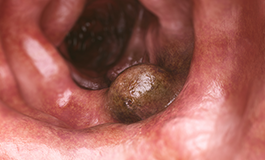
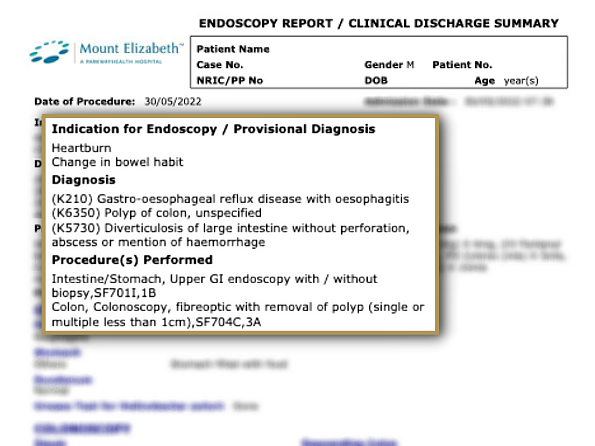
Polyps are abnormal growths that can develop in the lining of the colon or rectum. Some types of polyps can potentially progress to colorectal cancer if left untreated.
This chronic condition includes ulcerative colitis and Crohn’s disease, which cause inflammation and ulcers in the digestive tract, including the colon and rectum.
Buttock Abscess refers to the accumulation of pus, resembling
a sizable pimple, in the area between the buttocks and the anus. This abscess can occur
either superficially on the skin’s surface or deep within the layers
of buttock fat.
Anal fissures are small tears in the lining of the anus, often caused by trauma or passing hard stools. They can result in pain, bleeding, and discomfort during bowel movements.
Haemorrhoids, or piles, are swollen blood vessels in the rectum or anus, causing symptoms like rectal bleeding, itching, and pain.
Colitis refers to inflammation of the colon, which can be caused by various factors such as infection, immune system disorders, or ischemic colitis due to reduced blood flow.
IBS is a common functional gastrointestinal disorder characterised by abdominal pain, bloating, and changes in bowel habits.
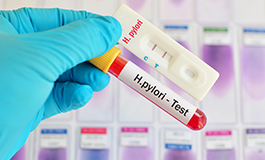
H. pylori is a stomach-dwelling bacterium that can lead to conditions like Gastritis and Gastric Ulcers , causing symptoms such as abdominal pain, bloating, nausea and vomiting.
Crohn’s disease is a chronic inflammatory condition primarily affecting the digestive tract, causing symptoms like abdominal pain, diarrhea, fatigue, and weight loss.
Appendicitis is the inflammation of the appendix, causing symptoms such as abrupt abdominal pain, nausea, vomiting, and fever, often requiring surgical management.
Regular screening and removal of polyps is the best way to prevent colorectal cancer. In Singapore, colorectal cancer is both common and highly preventable. Most cases develop from polyps in the colon or rectum, which can become cancerous over time.
However, a colonoscopy is widely considered the gold standard for colorectal cancer screening. It allows direct visualisation of the colon and rectum using a flexible scope inserted through the anus. By detecting and removing polyps early, the risk of colorectal cancer can be significantly reduced.
Risk factors for colorectal cancer include:
A colonoscopy typically lasts anywhere from 30 minutes to 1 hour.

You will lie on your left side bending your knees. IV line will be inserted and you will be asleep during the whole procedure

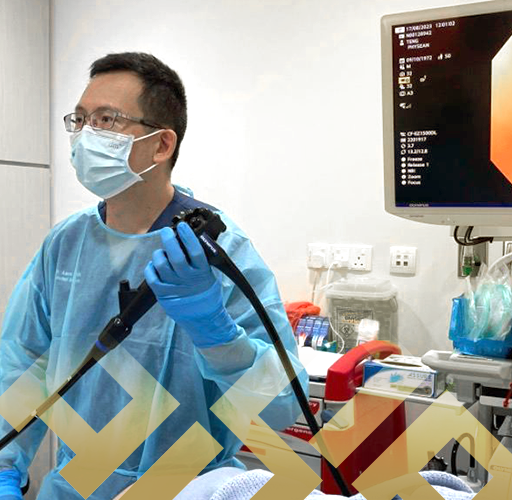
Colonoscope is inserted into your rectum to detect abnormalities or changes in your colon

If Dr Poh detects polyps or abnormal growths inside the colon, he is able to remove them

You will wake up 1 to 2 hours later and you can be discharged on the same day
Some mild bloating or cramping may be present after the procedure but you should return to normal in a few hours. However, it is important to let your doctor know if you experience any unusual symptoms after the procedure.